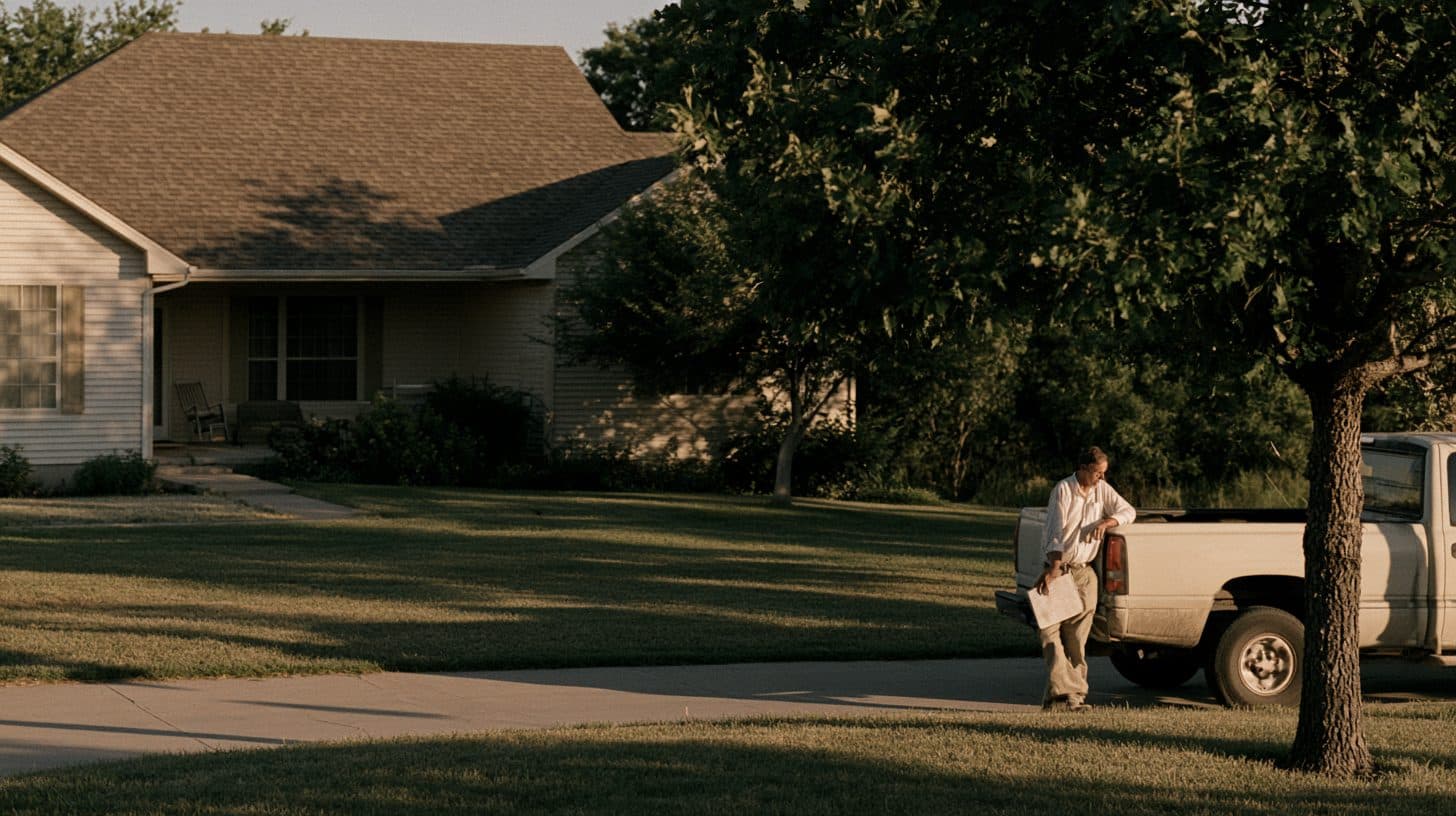
You blocked the 3 PM slot, skipped a paying job to make it, drove 25 minutes, and knocked on a door nobody answered. Text: nothing. Call: voicemail. Somewhere between Tuesday and today, your "definitely, see you then" customer evaporated — and the afternoon went with them.
No-shows for estimates are one of the most quietly expensive things in a service business. Not just the fuel and the hour — the slot. That was time you could have sold, spent on a job, or used to answer three new leads. Here's what actually reduces them.
Why estimate no-shows happen
An estimate appointment is, from the customer's side, a strangely low-commitment thing. They haven't paid anything. They may have booked walkthroughs with three companies in the same week and kept... some of them. The appointment was made days ago at peak annoyance (the leak! the overgrown yard!) and the annoyance faded. Or something came up, and canceling felt awkward, so they chose the coward's option: silence.
Notice what's not on that list: malice. No-show customers are mostly disorganized or embarrassed, not hostile — which matters, because it means reminders and easy exits fix most of it.
Fix 1: confirm the day before, with a painless out
The single highest-value habit: a short message the afternoon before.
"Hi Dana — Mike from Ridgeline, confirming tomorrow 3 PM for the roof look-over at your place. If the time no longer works, no problem at all — just reply and we'll find another. See you then!"
Two things are doing work there. The confirmation itself resurfaces the appointment out of the mental clutter. And the explicit, blame-free reschedule path converts silent no-shows into polite Tuesday-evening texts — which cost you nothing, because you can fill the slot. A no-show and a reschedule are wildly different outcomes, and the difference is mostly whether backing out felt easy.
If you take appointments by text anyway, this is thirty seconds a day. Do it manually before buying any tool.
Fix 2: tight windows, not vague ones
"Sometime Thursday afternoon" is an appointment a customer can't plan around, and appointments people can't plan around get abandoned. "Thursday 3:00–3:30" is a commitment. The tighter you can responsibly promise, the more the appointment feels real — to both of you. (And the inverse holds: companies that show up inside the window they named get treated as companies worth waiting for.)
Fix 3: charge something — in the trades where it fits
For big-ticket, design-heavy, or troubleshooting-heavy work, a modest visit fee credited against the job filters casual bookers brilliantly: people who pay show up. This isn't right for every trade — a house-cleaning walkthrough with a fee will just lose you the walkthrough — and it deserves its own decision, which we've written up in the next piece in this series on whether to charge for estimates. The short version: charge when the visit itself is skilled work; keep it free when it's a look-and-a-number, and fix no-shows the other four ways.
Fix 4: show up impeccably yourself
Uncomfortable but true: in this industry, no-showing runs both directions, and customers know it. Plenty of homeowners have taken an afternoon off for a contractor who never came. Some of the flakiness you receive is trust pre-broken by someone else — customers hedging by booking multiple walkthroughs because they expect half of them to flake. You can't fix the industry, but showing up exactly when you said, every time, and texting when you're running ten minutes late, makes you the company people don't hedge against. Reliability compounds.
Fix 5 — the big one: stop booking visits you don't need
Here's the fix nobody mentions, and it's the most powerful: the no-show you can't get is the site visit you never scheduled. A large share of estimate visits exist only to collect information a customer could have sent in two minutes — how big, how many stories, what condition, what access looks like. One wide photo of the house answers questions no phone call ever will.
Before booking any walkthrough, ask: what would I learn on-site that a good set of questions plus three photos wouldn't tell me? For many jobs — gutter cleans, standard house cleans, lawn work, pressure washing, straightforward junk removal — the honest answer is "nothing." Price those from the information; save visits for the jobs that truly need eyes (structural work, complex roofs, anything where being wrong is expensive). Fewer visits means fewer no-shows, but also simply fewer hours in the truck — you quote from your kitchen table in the evening instead of across town at 3 PM.
The DIY version is the question-list-plus-photos habit from our guide on what to ask before you quote: know your trade's list, ask it all at once, always get the wide shot. If you'd rather that ran itself, that's what Comora is — one quote link that collects your trade's real questions, photos, and timing before you've lifted a finger, so the complete job lands in your inbox and then you decide whether it needs a visit at all. Here's a live example of what the customer fills out; it's $49/month at comora.com/start.
Stack the five and the problem shrinks fast: fewer visits booked at all, tighter windows on the ones that remain, a day-before confirmation with an easy out, a fee where the trade supports it, and a reputation for showing up that makes customers reciprocate. You'll never get no-shows to zero. You can absolutely get them to "barely worth mentioning."
Related reading: How to stop the quote back-and-forth · What to ask before you quote
Keep reading
Ghosted after a quote: why customers go silent (and what to do about it)
The six real reasons customers vanish after you send a price, how to tell which you're dealing with, and the prevention that beats any recovery text.
Read more →How to stop the quote back-and-forth (and get the full job in the first message)
Most quotes die in a seven-message thread asking for details. How to get the full job in the first message and quote while competitors are still asking.
Read more →How to follow up on an estimate without being pushy
Sent an estimate and heard nothing? A three-touch follow-up with exact scripts, timing that feels helpful instead of desperate, and when to stop.
Read more →